
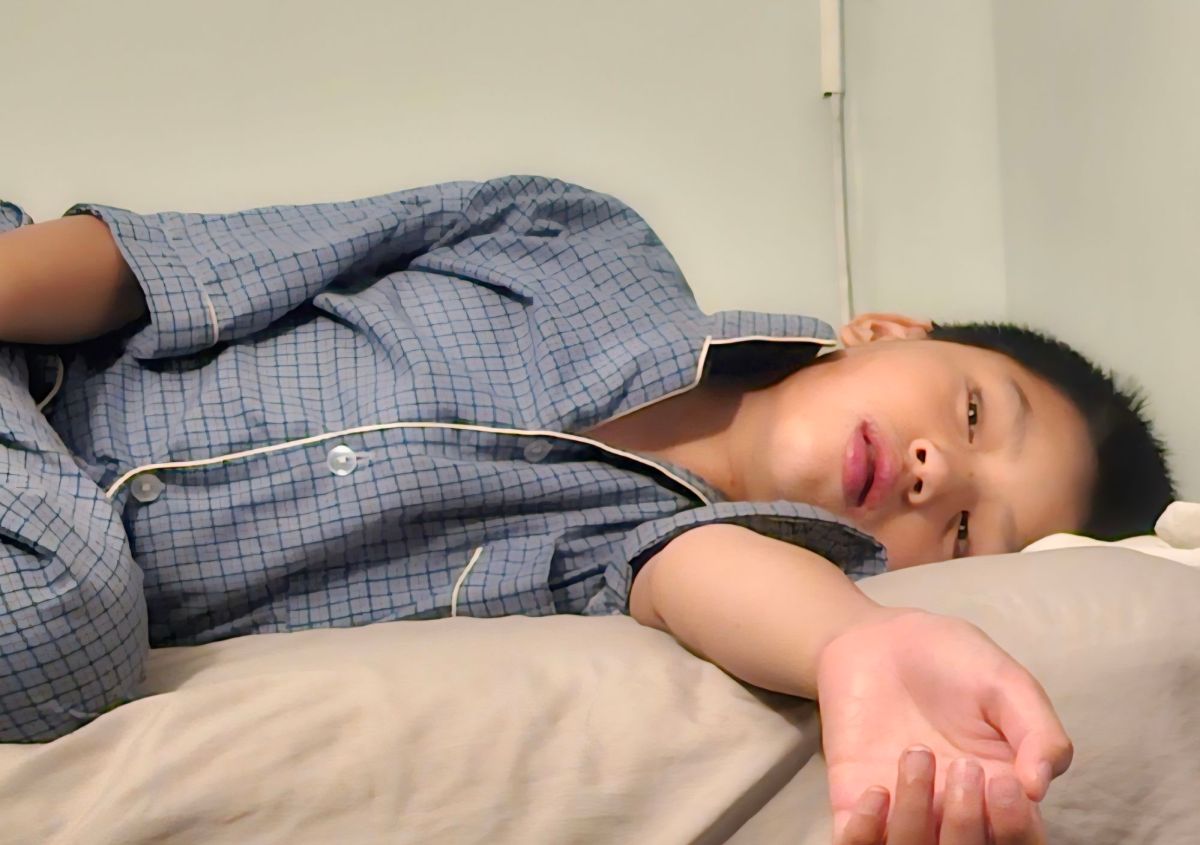
Today’s story was inspired by a post by a smart lady and a psychologist whose thoughts about Cinderella helped me consider choice.
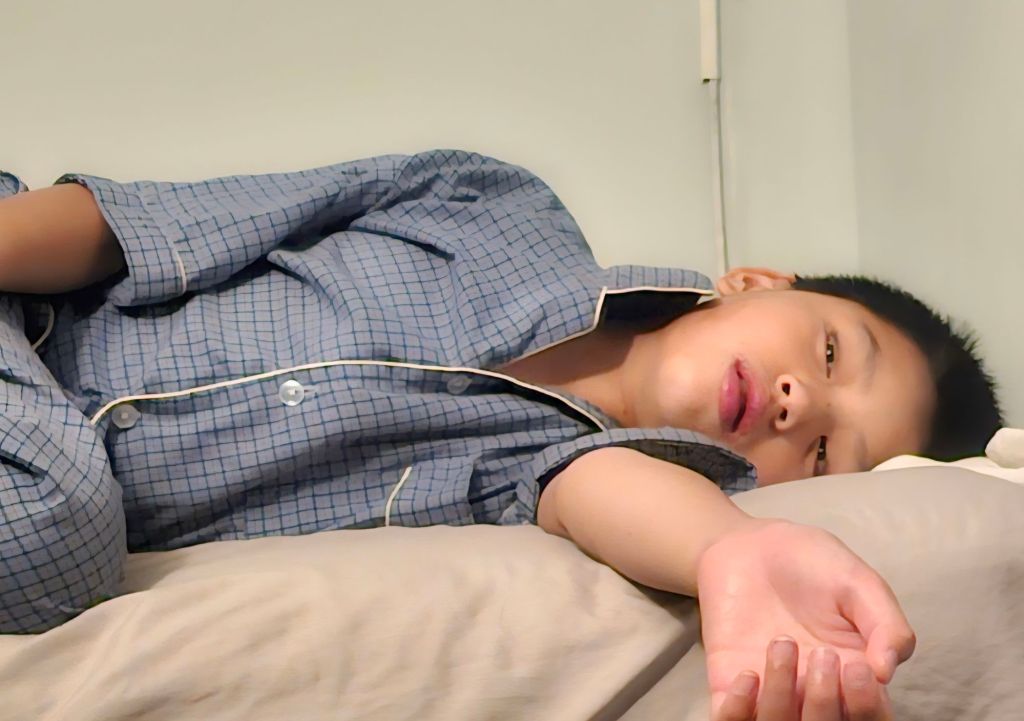
I retold the Cinderella story for James. I told without a script, as part of the chatter and narrative we have together. I presumed competence. I do this as James does not communicate in a traditional way, and it may appear that he is not capable of understanding the story I told him. However, I enjoyed myself in the storytelling. The magic that happened was a simple celebration of connection and understanding. I talked about choice and the things we can choose to do. James surprised me with his independent choice to get himself ready for bed. He made me smile. I’m very proud of him.
Here is the story written up, AAC supports (visuals, key word Makaton signs, signed story and sensory enhancements) to follow 🙂
Cinderella 2025 A story for James
Once upon a time, there was a girl called Cinderella.
She was a quiet girl. She stayed at home and did not go to school.
Her mother had died when she was very young. Her father married another woman—a very mean one.
We know not all stepmothers are mean—but this one was unkind, bossy, and cruel.
Cinderella had lots of jobs to do every day. She felt tired and sad.
One day, the people in the town said,
“There will be a big party!”
“Everyone is invited!”
But Cinderella didn’t think she would go.
She sat down, feeling weary from all her chores.
A tear ran down her face.
Then—POP!—a voice said,
“Why are you crying, dear child?”
Cinderella looked up.
There in the air was a round, smiling, floating lady.
She had sparkly shoes and smelled like flowers.
“I don’t know,” said Cinderella.
“Is it because of the party?” the floating lady asked.
“Do you want to go?”
Cinderella thought,
No. I’m too tired. I have too much homework. I can’t leave the house.
“I’ll tell you what,” said the kind lady.
“Close your eyes and you’ll get a surprise.”
“No thank you,” said Cinderella.
She had been taught:
Don’t talk to strangers.
Don’t close your eyes just because someone says so.
That is good advice.
The lady smiled kindly.
“I understand,” she said.
“I’m your FGM— a Fairy Godmother. That means I’m a magic, nice helper.”
“Look over there!” she pointed.
Two mice were carrying bananas!
Then—POOF!
Suddenly, a beautiful dress appeared.
A shiny mask floated in the air.
And the mice now held sparkling yellow shoes.
“Put these on,” said the Fairy Godmother.
“Go to the party.
I will clean the house for you.
Just come back by midnight.
Will you take the chance?”
Cinderella looked at the dress. She thought of a night without cleaning.
“Yes,” she said, “I will go.”
Outside, there was a carriage waiting.
It looked a lot like a big pumpkin.
At the party, Cinderella had a great time.
She ate a lot of food.
She danced a little.
The mice were so happy at the cheese fountain!
Cinderella’s joy showed, even behind her mask.
She made the whole room shine.
Then—DING DONG—the clock struck twelve.
Cinderella had a choice.
Should she stay or go home?
She thought,
It’s late. It’s dark. It’s a long way to walk. And… my shoes might turn into bananas!
So she ran to the carriage.
Back at home, everything turned back.
The dress became an old sack.
The carriage became a pumpkin.
There was only one banana left.
Cinderella smiled and laughed.
“That was fun,” she said.
She got out her notebook, wrote down the story, and smiled again.
The Moral of the Story (with Key Ideas)
- Some things are hard to change—but it’s good to try and stay hopeful.
- Don’t talk to strangers, and don’t do something just because someone tells you to.
- Think about your own safety, your choices, and what’s right for you.
- You can feel happy inside, even if things around you are difficult.
- Sometimes life brings a little magic—not like fairytales, but still real.
- We all have the power to choose and to hope.
- Stories help us learn, dream, and connect—so let’s tell happy stories.
Joyful Storytelling for All Learners
When working with children who have complex learning difficulties and disabilities, we may not always receive clear, verbal feedback. But that does not mean the child is not listening, learning, or engaging. This is where the principle of presuming competence becomes essential.
We tell stories with trust in our learners. Even if they don’t appear to be responding, we open the door to unexpected moments of connection. A smile, giggle, a subtle shift in posture or look. These are all signs of engagement and meaning-making.
Storytelling also provides a safe space to explore important life themes: choice, safety, resilience, and joy. When stories are offered with no pressure to perform, they create inclusive spaces. Every child can participate in their own way.
You might be surprised by what happens if you take a chance. A story shared with warmth and humour might unlock a reaction you’ve never seen before. A child who rarely interacts might suddenly light up at a certain phrase. Or a previously silent listener might begin to vocalise, gesture, or initiate.
These are not just moments of entertainment—they are moments of communication, connection, and belonging.
Why Storytelling Matters
Storytelling is a powerful tool for all learners, especially those with complex needs. When stories are shared with joy, laughter, and sensory richness, they create accessible entry points into learning. For some children, understanding might come through:
- The sound of a repeated phrase, rhythm, or voice
- The visual repetition of a symbol or gesture
- The feel of a prop (a soft sack, a smooth mask, a textured pumpkin)
- The emotional tone of shared laughter or surprise
- The comfort of a routine storytelling structure
In this context, comprehension doesn’t always look like answering questions or retelling the story.
A thought on presuming competence
Presuming competence is not about ignoring a child’s needs—it’s about believing in their possibilities. When we tell stories with kindness, sensory depth, and a dash of magic, we send a message:
“You belong in this story. You are expected to understand. And we will meet you where you are.”
Presuming competence means approaching every child with the belief that they are capable of thinking and understanding. They are also capable of feeling and communicating in their own way. It shifts our focus from deficits to potential. Instead of asking “What can they do?”, we ask “What can we offer to support deeper engagement?”
Let’s tell stories full of joy, curiosity, and open-heartedness—and let’s be open to the beautiful, surprising responses they can invite.
Makaton Key Word List for Cinderella 2025
Here’s a suggested list of key words to sign during storytelling (you can adapt based on vocabulary level):
Makaton Key Word Table for Cinderella 2025
| Spoken Word | Makaton Sign (Suggested) |
|---|---|
| Cinderella | Name sign or fingerspell |
| Girl | GIRL |
| Home / School | HOME / SCHOOL |
| Mother | MOTHER |
| Father | FATHER |
| Quiet | QUIET |
| Mean / Unkind | MEAN or BAD |
| Chores / Jobs | WORK |
| Tired | TIRED |
| Sad | SAD |
| Know / Help | THINK or LEARN / HELP |
| Party | PARTY |
| Dress | DRESS |
| Shoes | SHOES |
| Carriage | CAR |
| Pumpkin | PUMPKIN |
| Magic | MAGIC |
| Midnight | CLOCK + 12 |
| Happy | HAPPY |
| Dance | DANCE |
| Cheese | CHEESE |
| Mouse | MOUSE |
| Banana | BANANA |
| Choice | CHOOSE |
| Write / Notebook | WRITE / BOOK |
| Story | STORY |
 I am James' mum