This blog explores how multimodal communication can support teaching English. It is especially helpful for learners who may be developing language in different ways. Let’s take a closer look at the What? Why? When? Where? How?
❓What is Multimodal Communication (MMC)?
Multimodal communication means using more than one method or mode to share a message. It falls under the umbrella of AAC — Augmentative and Alternative Communication.
These modes can include:
📸 Photographs or images ✋ Makaton or simplified sign language 🗣 Spoken language 🧍 Body language and facial expressions 📱 Speech-generating devices (SGDs) or apps 📝 Writing or typing 🧃 Real objects (e.g. a juice carton to represent “drink”)
By mixing and matching these modes, we make communication more accessible. It becomes more engaging and inclusive. This is especially true for children who find spoken English difficult to understand or use.
❓Why Use Multimodal Techniques?
Much like how we might use multimodal communication gestures when traveling in a foreign country, and can’t speak the native language,
Multimodal communication helps to support:
Children with delayed or different language development
Non-speaking or minimally verbal children
Learners with unclear or inconsistent speech
Those with sensory, cognitive, or motor differences
Children learning English as an Additional Language (EAL)
These techniques help avoid communication breakdowns and build:
💬 Meaning 🧠 Memory 👂 Understanding 🖐️ Participation 💪 Confidence
❓When Should We Use These Techniques?
Every day, and as often as possible.
Multimodal communication becomes more effective when:
It’s used consistently across different places — home, school, and community
It’s paired with real-life situations (e.g. signing wait at a zebra crossing)
It’s modelled with patience, rather than taught as a formal lesson
Multimodal communication is about natural connection, not just teaching.
❓Where Can We Use Multimodal Communication?
Anywhere! But the method you choose might change based on the setting.
For example:
🏫 In school: visuals, signs, speech, writing 🏊 In the swimming pool: facial expressions and gestures 🛝 In the park: key words, pointing, body language
🧩 Be flexible. If one mode isn’t available, use another. All forms of communication modelling count.
❓How Do We Use Multimodal Communication?
There’s no “one-size-fits-all.” Every child communicates in their own way.
What matters is that we:
✔️ Adapt to the child’s needs 🕓 Slow down and allow time to process 🔁 Repeat key messages using different modes 💡 Model communication naturally, rather than instructing 🔄 Focus on connection over correction — understanding comes first
❓What is Makaton?
Makaton is a simplified signing system that removes complex grammar and supports spoken language. It focuses on key words.
You:
Say the word
Sign the word
Use gestures to show the meaning
It’s a powerful tool for learners who are developing communication alongside or instead of spoken English.
When used naturally in conversation (not just commands), these words help children to:
Make choices
Express needs
Connect socially
Learn English in context
❓How Does Makaton Support English as a Second Language?
Makaton creates a bridge between a child’s home language and English.
It offers:
👁️ Visual cues for abstract English words 📣 Sound–meaning connections 🖐️ Gestural prompts that aid memory 💬 Early ways to communicate, even before fluent speech develops
In group settings, Makaton is inclusive — it helps everyone use the same universal signs to support understanding.
💬 My Personal Experience
Everyone communicates differently, and there is no right or wrong way to communicate with our kids. How we do it depends on what we want to say, how we naturally speak, and how we can adapt our message to support differences in processing, cognition, apraxia, and language development.
Key words are important because they help lay the foundation for basic safety, communication, and self-advocacy. My core keywords are:
Stop, Go, Wait, Want, Like, Do, Not
When these words are taught naturally as part of everyday conversation — rather than just used for giving directions — they become meaningful and usable in real-life situations. This creates a structure of understanding and builds the child’s ability to express themselves independently.
Using songs and storytelling to model the functions of language through Makaton (or other multimodal methods) reinforces the connection between sign and sound. Melody, imagery, movement, and expression add deeper meaning to the key words and make learning more engaging.
Music and stories are brilliant for:
🗣 Learning how language is used (asking, greeting, commenting) 🎵 Practising rhythm, tone, and pronunciation 🧠 Boosting memory and vocabulary 💖 Encouraging creativity, connection, and expression
What songs or stories would you like to learn? Please comment!
I’ve been reflecting on the term Gestalt Language Processing (GLP) and how I wish someone had explained it to me years ago. Despite more than a decade of therapy with my son James, the term was never specifically brought to my attention. Perhaps for various reasons. But it’s so crucial that I now believe everyone — especially parents, teachers, and therapists — should know it.
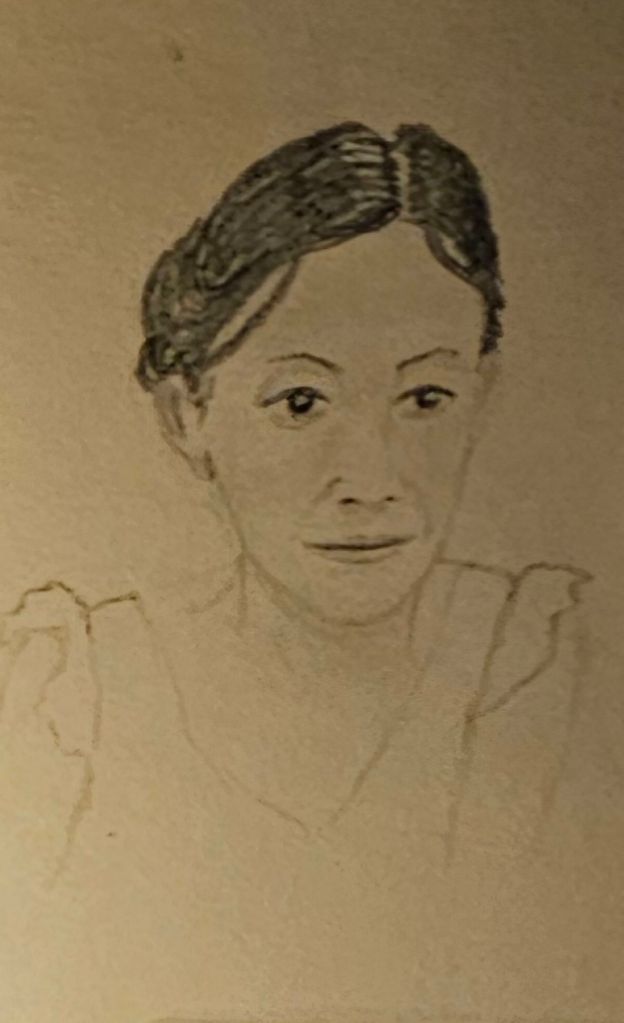
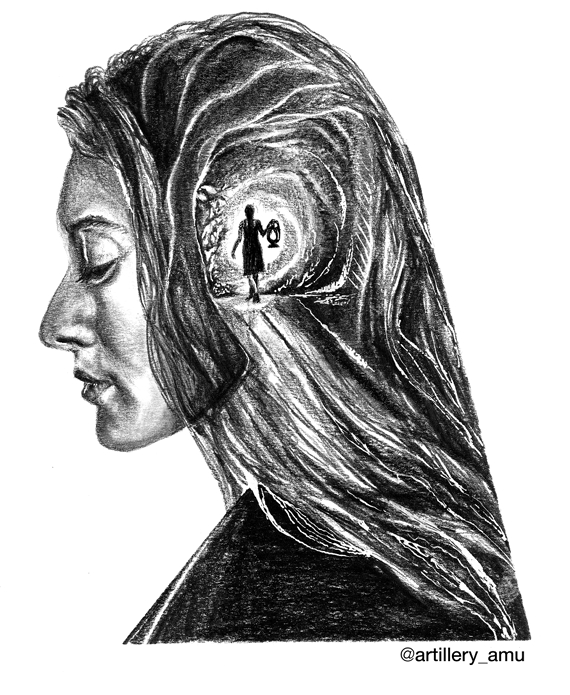
As James’ mum
It’s my job to look and listen. Not just with my eyes and ears, but with my heart and soul. Not just for words, but for meaning. Not just for learning, but also for feeling.
We all contribute to the human Gestalt. It is our shared responsibility to make sure everyone feels part of it. As whole people. As part of a shared humanity that values people as equal, different and not less.
The word Gestalt comes from German, meaning “shape” or “form”. You might not hear it often in everyday conversation. That’s normal — specialist language tends to remain within professional circles such as speech and language therapy or medicine. Much like terms such as sensory processing disorder or neurodiversity, we often only learn them when we need to. But Gestalt is one of those vital, essential words we should all know.
So I write this blog in the earnest hope that someone else — perhaps a parent just beginning their journey — finds the clarity and hope this understanding has brought me.
As I continue to learn, I’ll continue to write and update my blog posts.
Learning styles, simplification, mnemonics and memorability
When trying to understand or explain something complex, I use simple comparisons. These include similes, metaphors, or symbols. I use any approach that helps make it memorable.
So here’s how I explain Gestalt Language Processing:
Gestalt Language Processing is greater than both the individual words AND the sum of the words or sounds used.
Using basic mathematical notation:
Gestalt Language Processing ≥
the sum of its parts (words)
GLP ≥
Σ (individual words)
And importantly:
Neurodiversity >
the sum of its diagnostic parts
Neurodiversity is greater than the sum of diagnostic labels, attributes and the way they communicate. The individual is more than any one label. Neurodiversity is the whole person.
Key:
≠ = not equal to
= = equal to
≥ = greater than or equal to
≤ = less than or equal to
Gestalt Language Processing is not the same as typical language learning (known as Analytic Language Processing). It differs from learning and using words one by one. It’s about how some people absorb chunks of language — phrases, tone, even lines from films — and use them to communicate meaning. It’s not merely random repetition or what might be labelled as vocal stimming or self-stimulation.
GLP ≠ Analytic Language Processing
GLP is not the same as analytic language processing.
GLP ≠ Random Repetition
GLP is not random repetition.
GLP = Meaningful Language Chunks
GLP involves meaningful units of language.
GLP > What It Seems
GLP is more than it appears to be on the surface.
The message often lives in more than just what is being said. That message is in the Gestalt. It encompasses the whole being of the person, the form it takes, and the environment that shapes it. It is not only in the parts of their language or behaviour we can easily see or interpret.
This is why the message is often greater than it may first seem. This is key to finding the meaning. It helps support the learner to develop more meaning in their communication attempts. Using alternative and augmentative communication techniques (AAC) can facilitate making their lives easier.
Echolalia and the Misunderstood Message
If you’ve heard of autism, you may also have come across the term echolalia. It refers to when a child repeats a word or phrase, seemingly out of context. It might appear random, even meaningless. But it isn’t. Echolalia is often a clear sign of Gestalt Language Processing. The repeated phrase isn’t just a copy. It’s a meaningful unit. We may simply not yet understand its full significance.
For years, I didn’t consider James to be a Gestalt Language Processor. This was because he didn’t have “words” in the traditional sense. He didn’t repeat lines from television or use set phrases. But he did, and still does, make sounds, use intonation, and produce strings of vocalisations that don’t appear to make sense.
Recognising GLP involves more than just spoken words. It is crucial for understanding how many people with disabilities may be trying to communicate. Some children, like my son, process language gesturally. They may also communicate through vocalisations that may sound unintelligible. However, they likely carry deep, personal meaning.
A Cultural Example: Rain Man
In the 1988 film Rain Man, Raymond (played by Dustin Hoffman) is portrayed as a man who frequently repeats lines from television and past conversations. At the time, these behaviours were seen as curious or even comical — part of the “savant with quirks” stereotype. As a 10-year-old watching the film, I didn’t understand what was really happening. Now, I can see that Raymond was likely a Gestalt Language Processor — using stored scripts to express thoughts and emotions.
While Rain Man was groundbreaking in raising awareness, it also simplified or misrepresented the richness and diversity of neurodivergent communication. Today, we know better — so we can do better.
Understanding James, Understanding GLP
Since learning about GLP, I now understand that James — a non-speaking Gestalt Language Processor — is communicating all the time. His vocalisations, intonations, facial expressions, and gestures (what I now affectionately call his “gjesters”) are his way of forming meaning.
His brain doesn’t retrieve or process language in the typical way. This isn’t a failure — it’s just different wiring, likely related to neurological differences in areas such as the basal ganglia. For him, spoken language is like a stormy sea. There’s no bridge, no path laid out — but he is wading through, sound by sound, expression by expression, building his own way to the shore.
Against Deficits, For Understanding
You may read my posts and think I’m anti-labels or sceptical of diagnostic tools — and yes, to an extent, that’s true. I believe we need knowledge, language, and evolving frameworks to help our children. But I push back against deficit-based labels — the kind that reduce children to categories of what’s “wrong” with them.
We’ve moved on from outdated terms like handicapped because we recognised how language shapes perception and inclusion. I hope we can keep evolving — towards a framework that respects the Gestalt of neurodiversity.
Gestalt, in broader contexts
From a linguistic perspective, the word Gestalt reminds me of “gesture,” and the ending “-alt” feels like “halt” — a blocked gesture. This reflects how many children’s communicative attempts are disrupted by neurological barriers. That’s where Augmentative and Alternative Communication (AAC) becomes vital — to help work around these blocks.
In psychology, Gestalt theory is all about the whole: perception, behaviour, motivation, and connection. It sees the mind in a holistic view, for example more than the brain, blood and tissue that make up the organ, the body and the person. This is essential in how we understand neurodivergence.
And in the humanities? We might say this: There is always more to a person than what meets the eye. The Gestalt of humanity is neurodiversity, and the sum of a person is more than what can be seen — or boxed into diagnostic categories.
As Dr Barry Prizant writes in Uniquely Human, our job is not to fix people — it’s to understand and support them.
The work of thinkers like Dr. Joanna Grace helps us explore identity not as a fixed label, but as something multi-dimensional, evolving, and deeply connected to experience.
Here’s how James and I encounter and navigate these layers of identity:
Essentialist Identity: Our Inner, Unchanging Core
For James and I, our inner light was once dimmed by my struggle to truly understand his being, beyond the challenges of special needs parenting. In the early days of diagnosis and therapy, James was reduced to behaviours and diagnostic labels, which overlooked his true self. Yet, our joy, curiosity, and resilience exist beyond these external interpretations, and I’ve come to appreciate our existence more deeply as we navigate this journey together.
Structured Identity: How Our Environment Shapes Us
James and I are navigating an evolving understanding of a world that sometimes makes us feel different, abnormal, and excluded. The spaces we occupy shape us not only physically, but emotionally and socially as well. Access to disabled toilets, for instance, is a lifesaver for me. It means I can accompany James, who is almost as tall as I am, into the bathroom without being viewed as a potential risk to other children, simply because of his appearance. The environment and acceptance we encounter are influenced by many societal forces: from media representation and public understanding to legislation. These forces intersect to shape children’s growth, behaviour, emotional well-being, and inclusion.
Performative Identity: Adapting to Social Expectations
Performative identity explores how we adjust our behaviour to meet social expectations. Most people intuitively know how to behave in different settings—quiet in a library, more expressive at a party. For neurodivergent individuals like James and me, this social choreography isn’t always natural. When James flaps his hands or withdraws in busy places, it’s not misbehaviour; it’s communication. It’s his adaptive response to environments that don’t always cater to his needs. His actions are his language. Teaching him how to navigate these social scripts takes time, patience, and creativity.
This aspect of performative identity reminds us that we all perform to some extent. We have many roles —businesswoman, mother, sister, teacher, advocate—and the extent to which these roles affect our true selves is significant. Self-worth becomes central to the process of performing, especially when we feel pressured to act in ways that are not inherently true to who we are. For neurodivergent individuals, the process of being taught social skills can sometimes lead to masking, which can result in intense trauma. In these cases, the script needs to be rewritten, allowing for more authentic expressions of self.
Discursive Identity: The Power of Language
Language shapes how we see ourselves and how others perceive us. Words like “disordered,” “special,” or even “different” can unintentionally marginalise neurodivergent individuals. When we reflect on the evolution of language—terms like “retarded” or “spastic” that were once commonplace—we see the damaging impact of these labels, even when they were used with good intentions. For me, the label became James’s identity, and I admit there was a time I lost sight of his true essence. The words we use don’t just describe reality; they shape it. This is why it’s so important to choose our language carefully, to affirm rather than diminish the identities of others.
Phenomenalism: The Embodied Self
For individuals who are non-verbal or express themselves differently, Phenomenalism affirms that their inner world is real and present. Their movements, expressions, rhythms, and reactions are meaningful. These should not be dismissed as mere behaviour, but recognised as communication.
Joanna encourages us to engage with others in ways by learning to listen more deeply to alternative ways of being. Joanna’s work helps us go further. She teaches us not to judge a person’s worth by their physical or verbal capabilities alone. She urges us to understand that identity is a synergy of mind and body.
Beyond Identity: The Evolving Nature of Self
For James and I, our identity is lived through rhythm, repetition, emotion, and connection in tandem. His body is his language, and his sensory world is central to how he experiences and communicates who he is. Through this lens, his being and belonging are deeply tied to his sensory experience. This is why we need more inclusive spaces that recognise and accommodate the diverse ways people experience the world.
We are individuals, but we are also mother and son, and together, we share an embodied identity—one where I am his voice, his gateway to the world.
When we acknowledge that our identity is not fixed but deeply rooted in the present moment, and shaped by lived experiences, we can imagine a world where the environment evolves to accommodate every person’s needs.
In a nutshell, AAC, or Augmentative and Alternative Communication, refers to methods used by individuals who struggle with speaking or writing to express their thoughts, needs, and ideas. AAC doesn’t just facilitate communication; it promotes a different style of learning—one that places empathy at the forefront.
Low-tech AAC includes simple tools like pictures, visuals, or printed symbols. For example, a person might use a picture board with images of everyday items to communicate needs or wants. It can also include using a computer or camera to create or show visuals to aid communication. Low-tech solutions are accessible and easy to implement in various settings, offering an effective way to support communication without needing advanced technology.
No-tech AAC could be using everyday objects as symbols or objects of reference and body language. For instance, an individual might use the wrapper of a favourite food to signal a desire for that item. Additionally, facial expressions, basic gestures and Makaton (simplified, non grammatical sign language) are all important no-tech communication tools. These methods make use of what we already have at hand to communicate effectively.
High-tech AAC involves more advanced tools like speech-generating devices, applications, vocal output devices, switches or eye-gaze technology. These tools provide individuals with more complex and dynamic ways to communicate, offering them the ability to produce speech, text, or even control their environment. Vocal output devices can be particularly useful for individuals with severe communication impairments, giving them a greater degree of control over their interactions and choices. Equally, sophisticated speech-generating applications support language learning by reinforcing structure, syntax, and semantic coding — helping children build meaningful, grammatically rich communication. Speech-generating applications (SGDs) can support language development by organising vocabulary into categories and grammatical structures, tools to help reinforce sentence building. This structured approach allows children to form more meaningful, age-appropriate communication over time, even when spoken language is limited.
Switches other enabling devices For individuals with very impaired communication abilities, switches can offer opportunities to make choices and effect change in their lives. Switches are simple, accessible devices that allow users to make a selection or communicate by pressing a button. These can be connected to various devices, enabling a person to activate communication aids or control their environment, such as turning on a light or selecting a recorded message which enables a person to communicate basic needs or responses, such as saying “I want a drink” or “I need help,” with just one press of a button. These tools provide an invaluable opportunity for individuals who cannot use more complex speech-generating devices to still exercise choice and have a say in their daily lives.
Nowadays, there are inexpensive toys that allow you to record simple messages so this idea can be adapted to suit the individual.
In a nutshell, AAC is all about providing alternative ways for people with speech or language challenges to communicate effectively with others.
How can AAC aid learning for those with minor learning challenges?
AAC can play an important role in supporting individuals with minor learning challenges by helping them communicate and engage more effectively in their learning environments. Here are some of the ways it aids learning:
Improved Clarity and Expression: Whether using pictures or speech-generating devices, AAC helps individuals express their thoughts clearly, reducing frustration and promoting greater participation in classroom activities and discussions.
Support for Reading and Writing: For individuals with challenges such as dyslexia, AAC can assist with reading and writing by offering visual cues, word prediction, and text-to-speech options. These tools make it easier for students to access and express information.
Boosting Confidence: Many learners with communication difficulties may feel isolated or unsure of themselves in class. AAC methods, from picture boards to more advanced devices, offer them ways to engage and build confidence in their learning journey.
Reinforcing Concepts: Visual aids and symbols used in AAC can reinforce learning concepts, helping learners better understand and retain information. These supports can help break down complex ideas and make them more accessible.
Personalised Learning: AAC can be tailored to suit each individual’s unique needs. Whether using low-tech tools like pictures or high-tech speech-generating devices, AAC makes learning more accessible and ensures that students can engage in ways that suit their abilities.
Why would speaking people use it?
Speaking people might use AAC for several reasons, even if they can talk. Here are some common scenarios:
Temporary Speech Loss: For individuals recovering from surgery, illness, or injury (e.g., after vocal cord surgery), AAC can help them communicate while their speech returns.
Speech or Language Disorders: Some people have speech disorders like stuttering or aphasia (a condition that affects speech after brain injury), where AAC can serve as a backup or enhance communication.
Accessibility: In noisy environments or situations where speaking is difficult (e.g., in a loud crowd or during meetings), AAC devices can offer a clearer way to communicate.
Enhancing Communication: For some, using AAC can support more efficient communication, especially if they have specific needs or prefer to use visuals or text.
Multilingual Communication: AAC tools may be used to bridge language barriers between people who speak different languages.
In these cases, AAC can act as a useful tool to improve communication, clarity, and accessibility, even for people who are able to speak.
The evolution of child development theories is deeply connected to broader historical, biological, and technological changes that have shaped human societies.
The growing recognition of neurodiversity necessitates an ongoing reimagining of how we parent, teach, and learn. These changes highlight the importance of tools for connection, such as AAC (Augmentative and Alternative Communication), that facilitate and support children’s unique needs, helping them navigate and find meaning in a world that often requires adaptation.
From the early philosophical insights into childhood, through the scientific revolutions in biology and psychology, to the rise of inclusive educational practices and digital learning tools, our understanding of how children grow and develop has become more nuanced and interconnected. AAC, along with the many other frameworks that exist today, will continue to play a critical role in shaping a future where every child’s voice is heard, valued, and respected.
In a society that constantly evolves and challenges traditional norms, it’s critical to appreciate that each child’s developmental journey is unique—with tools like AAC, emotional intelligence, and inclusive education as vital support systems.
The Four-Pronged Approach to Human Development
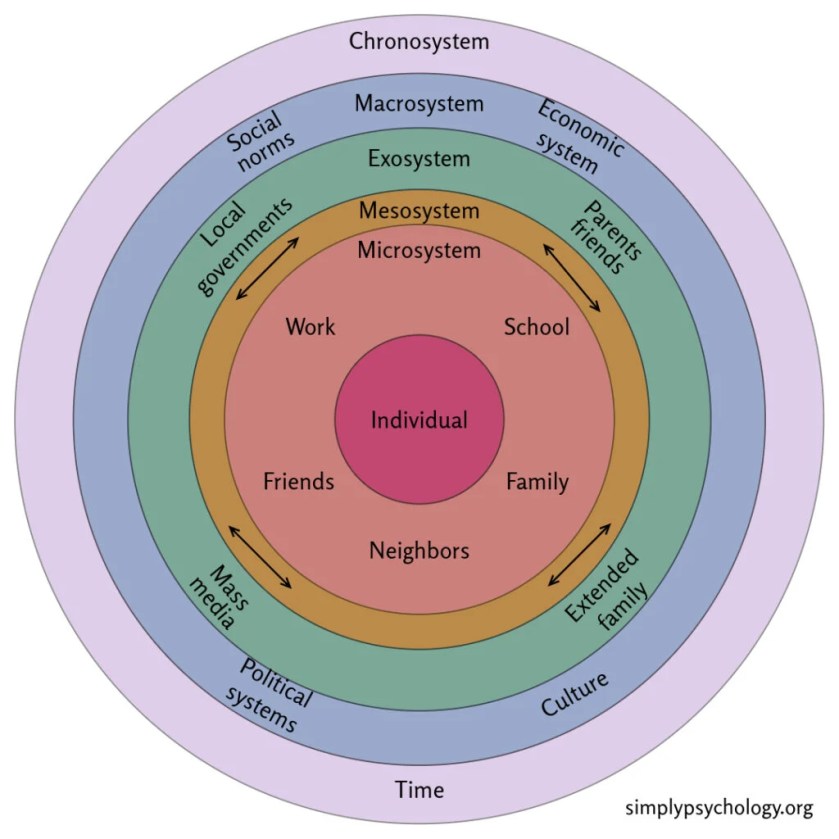
A great way to deepen our understanding of these interconnected factors is by exploring Urie Bronfenbrenner’s ecological systems theory, which outlines how children’s development is shaped by their interactions with different layers of their environment, from immediate family settings (the microsystem) to broader societal and cultural factors (the macrosystem).
A Bio-Psycho-Social-Societal Lens: Understanding the Whole Child
Biological: This focuses on physical growth, brain development, and genetics—basically, the body’s role in development.
Psychological: This covers emotional and cognitive development, how children form identities, and their inner world.
Social: This looks at the immediate environment—family, peers, and community—and how these relationships shape children’s behaviour and skills.
Societal: This examines the broader societal forces—like government policies, education systems, media, and cultural expectations—that influence a child’s opportunities and sense of self.
Stages, Conflicts, and Virtues
Erikson’s theory revolves around stages, conflicts, and virtues. The resolution of these conflicts leads to the development of virtues that serve as strengths throughout life. Below is a table of Erikson’s stages, the conflicts, and the resulting virtues:
Infancy (0-1)
Conflict: Trust vs Mistrust
Virtue: Hope
Early Childhood (1-3)
Conflict: Autonomy vs Shame/Doubt
Virtue: Will
Play Age (3-6)
Conflict: Initiative vs Guilt
Virtue: Purpose
School Age (7-11)
Conflict: Industry vs Inferiority
Virtue: Competence
Adolescence (12-18)
Conflict: Identity vs Confusion
Virtue: Fidelity
Early Adulthood (19-29)
Conflict: Intimacy vs Isolation
Virtue: Love
Middle Adulthood (30-64)
Conflict: Generativity vs Stagnation
Virtue: Care
Old Age (65+)
Conflict: Integrity vs Despair
Virtue: Wisdom
Erik Erikson’s psychosocial development theory is an essential framework for understanding how children navigate stages of growth. For neurodiverse children. Milestones such as trust, competence, or autonomy don’t always follow a neat, linear path for every child. For instance, children with autism may develop autonomy and competence in different ways, but they can still achieve these milestones. This is where AAC tools become invaluable. They provide alternative communication methods that allow children to express themselves in ways that are meaningful to them, ensuring that their developmental journey is accessible and inclusive.
Rather than seeing child development as a series of isolated stages or conflicts to be resolved, I believe it’s more helpful to acknowledge, identify, and address them as part of who we are at any given point in time. The goal is not to reach the highest stage of development for all. Personally, I value moments of isolation, as they provide space for reflection and self-awareness. Recognition of our capacity for conflict, resolution, and virtue is circular or even spiky, is my personal key to self-acceptance and self-actualisation.
Child Development Evolution timeline
Era: Pre-Industrial Era (Before 1700s)
Biological: Children were viewed as miniature adults, with no clear distinction for childhood.
Psychological: Emotional and cognitive development were overlooked; children worked from an early age.
Social/Societal: Family was central, education was minimal, mostly religious.
Key Philosophers & Thinkers: John Locke: “Blank Slate” theory (Tabula Rasa); Jean-Jacques Rousseau: Advocated for natural development, childhood as a time of freedom.
Era: Industrial Revolution (Late 1700s – 1800s)
Biological: Urbanisation led to public health advancements but increased exposure to illness.
Psychological: Darwin’s evolutionary theory reshaped understanding of human development.
Social/Societal: Progressive education emerged, with Dewey promoting experiential learning. Froebel introduced kindergarten. Child labour laws emerged; schooling systems expanded beyond religious institutions.
Key Philosophers & Thinkers: Charles Darwin: Theory of Evolution and Natural Selection; John Dewey: Progressive education and experiential learning; Friedrich Froebel: Founder of kindergarten, play as essential to development.
Era: Early 20th Century (1900s – 1950s)
Biological: Medical advances improved child health.
Psychological: Freud and Piaget revolutionised early childhood understanding. Freud’s psychoanalysis and Piaget’s cognitive stages shaped modern developmental psychology.
Social/Societal: Increased focus on early childhood education, with psychological theories influencing schooling.
Key Philosophers & Thinkers: Jean Piaget: Stages of cognitive development; Lev Vygotsky: Social-cultural theory, Zone of Proximal Development (ZPD).
Era: Late 20th Century (1960s – 1990s)
Biological: Advances in neuroscience and genetics led to recognition of developmental disorders.
Psychological: Erikson’s psychosocial stages highlighted identity and emotional growth.
Social/Societal: Focus on mental health, identity, and inclusion in educational settings.
Key Philosophers & Thinkers: Erik Erikson: Psychosocial stages of development; Jerome Bruner: Scaffolding, the role of social context in learning.
Era: 21st Century (2000s – Present)
Biological: Neuroplasticity and neurodiversity shape modern approaches to child development. Advances in medicine means those with Profound, Multiple and/or Complex Learning Disabilities are thriving beyond previous expectations.
Psychological: Emotional intelligence, as defined by Goleman, becomes a key developmental focus.
Social/Societal: AAC tools and inclusive education policies ensure developmental equity for all children.
Key Philosophers & Thinkers: Daniel Goleman: Emotional intelligence; Norman Doidge: Neuroplasticity, the brain’s ability to adapt; Stephen Hawking: Advocate for neurodiversity and inclusion.
Generation Overview, Impact and Mental Health
The generational shifts highlighted illustrate how the understanding of mental health, diagnoses, and special educational needs has transformed over the past century. This progression demonstrates how societal forces like economic conditions, media exposure, and technological advancements intersect to shape how we view children’s growth, behaviour, and emotional well-being.
The Role of AAC in Supporting Child Development
AAC tools as a tool for connection and inclusion enable us to go beyond teaching children to communicate more effectively. We are empowering them to navigate the world with empathy, understanding, and a deep sense of their own value. This aligns perfectly with Maslow’s view that self-actualisation comes not from achieving a singular, predefined goal, but from the freedom to express who we are and connect meaningfully with others.
AAC tools, whether they are high tech, low tech or no tech, are not just about learning or meeting educational requirements; they are tools for connection, transcending the national curriculum to create more meaningful relationships.
Maslow’s Hierarchy of Needs: Facilitating Self-Actualisation
Maslow believed that once our basic physiological and psychological needs—such as food, safety, belonging, and esteem—are met, we can then move toward fulfilling our fullest potential, which is self-actualisation.
For children with communication challenges, AAC tools serve as a bridge between meeting these foundational needs and realising their fullest potential. The ability to communicate freely and connect with others is crucial to fulfilling the need for belonging, which is the foundation of Maslow’s theory.
AAC doesn’t just facilitate communication; it promotes a different style of learning—one that places empathy at the forefront.
Chemical Exposure and Sustainability
In parallel with the rise of diagnoses and special educational needs, there has been growing concern about the impact of modern diets and chemical processes on mental health. The mass production of food, with an emphasis on processed ingredients, artificial additives, and high levels of sugar, has been linked to various developmental and mental health issues in children.
Increased exposure to chemicals such as plastics, pesticides, and artificial additives in food production has raised concerns about their effects on children’s neurological and cognitive development. Some studies suggest that exposure to these chemicals can lead to developmental delays, attention issues, and increased vulnerability to mental health conditions like anxiety and depression.
The increasing focus on mental health and special educational needs has led to significant changes in how children are supported in educational systems. Special education provisions have expanded greatly, with a growing understanding that children with neurodiverse conditions such as autism, ADHD, and dyslexia are not “broken,” but rather have different ways of experiencing and interacting with the world.
As we shift towards a more eco-conscious and sustainable future, the question becomes: how do we foster a world that nurtures children’s development in all aspects—biologically, emotionally, socially, and environmentally? As we address sustainability, it’s not just about saving resources or reducing waste—it’s about creating a world where children’s neurodiverse needs are understood, supported, and respected.
Call to Action
I’d love to hear your thoughts! Please share your experiences or reflections on how child development has changed across generations. How do you think these shifts will impact the next generation?
Reflecting on my own parenting journey and considering the influence of mass media and societal tools like parenting guides and Augmentative and Alternative Communication (AAC), it is clear how these tools and philosophies shape not only how we guide children but also how we understand their uniqueness in relation to their environment.
I think key to it all is the realisation that we all experience these virtues differently, depending on our position, stance, and outlook. This has a profound impact on how we understand neurodiversity and teach children. We are a product of a society that has imposed specific ideas, but we are also part of a society that challenges them.
Addressing Access Barriers Collectively “To share a little of each other’s world so that all might gain through a broadening of their horizons” (Grace, 2020)
Did you know that some groups globally do not have access to comprehensive communication and literacy education? Historically, this group of disabled individuals was termed ‘subhuman’ and ineducable. Thankfully, the mindsets that contributed to this bleak landscape for disabled people have changed substantially.
Yet, despite major advances in social equality and human rights for people with disabilities, many are still limited by either their capacity to learn or the methods in which they are being taught. In reality, it’s a combination of both.
My son is one of these children. He is the reason I read and research, advocating for collective consciousness and community change. I share my perspective as someone who is still trying to filter the pragmatics from the complexities encountered over the years, from one specialist to the next. After much exploration, we have finally settled upon inclusion as a universal/specialist approach to adopt and embrace.
My son is someone you could consider to be a ‘sensory being.’ This term, coined by Inclusion Specialist Joanna Grace, is used to describe individuals with multiple learning disabilities in a positive light—highlighting their primary experience of the world, which is sensory (Grace, 2017). While no label or terminology can fully encapsulate the essence of who a person is, this term is sufficiently descriptive of some of his abilities and challenges, and it can support a wider understanding of how to interact with him and others like him.
The core meaning of this term for me is being. According to the Oxford English Dictionary, “being” refers to the state of existing, a person or thing that exists, or the essence or nature of something. People with profound and multiple learning and physical disabilities exist and continue to live in a society that often misunderstands and mistreats them. The stories of abuse and neglect in care homes, at the most tragic end of the spectrum, are heartbreaking.
If my son is a ‘sensory being’ and I am a ‘linguistic being,’ we need to find a bridge. We must ‘share a little of each other’s world’ to both of our benefit. This helps us appreciate and celebrate each other’s essence, our humanity, our relationships, and our existence together. This brings us to core words and how they can be used collectively in the community to create that bridge.
Language, Interaction, and Being
By definition, the description ‘sensory being’ implies that language is elusive for this group of people. It highlights the delicate balance between using too much language or too little. Imagine being completely ignored on one end of the spectrum, or overwhelmed and confused by too many words and commands on the other. Where is the middle ground?
Observation, the selective use of core words, Intensive Interaction, and Augmentative and Alternative Communication (AAC) can be the bridge to understanding this balance. These techniques involve using fewer words but with greater meaning—focusing on the most important, essential vocabulary that can facilitate communication and connection.
Understanding where the child is in relation to the basic (typical) phases of communication development and function can help design the core words to use. For example, non-intentional communicators may use indiscriminate body motions, crying, smiling, or vocalisations. What should you look for? How is the communication related to a sensory responsiveness to something internal or environmental? When the child cries, what do they need? When the child smiles, what makes them happy? What sounds do you hear in their vocalisations—do they vary? How is the tone? What can we adjust in the environment to respond to their initial pre-intentional communication?
Core Words Modeling: Example core words could include: “I,” “see,” “you,” “hungry,” “tired,” “happy,” “hot,” “cold,” “thirsty,” “want,” “play,” “oh no,” “better,” “more,” “help,” “stop.”
These core words can offer children like my son the opportunity to express their needs, preferences, and desires.
Collective Community Change Through Core Words
The collective use of core words across communities can make a tangible difference. It means that children like my son don’t have to rely solely on a few specialists or carers for their communication needs. Over time, this creates a web of understanding, enabling people with sensory processing differences to experience consistent, meaningful interactions across various settings. It’s not just about teaching language—it’s about fostering mutual understanding.
This shifts the dynamic from a top-down “I speak, you listen” model to a more collaborative, two-way exchange of meaning.
Emotional Regulation and Well-Being
This approach doesn’t just benefit children with sensory or communication challenges—it can be adapted to support everyone across a broad spectrum of needs. When communities adopt inclusive practices, everyone gains by broadening their understanding of how people experience the world. Children with sensory processing differences often struggle with emotional self-regulation due to the mismatch between their sensory experience and their environment. Some responses to these frustrations manifest as self-injurious behaviours or physical reactions. By incorporating timely and fewer, well-chosen words and responses, we help them process their experiences in ways that feel safe and manageable.
One concrete example is the improvement in my son’s regulation when I observe he is feeling overwhelmed. With the use of core words and signs like “calm,” “quiet,” or “break,” I can observe my own physiological change in response to the imminently stressful situation, and regulate both his and my own emotions more effectively. This emotional vocabulary isn’t just about words—it’s about co-regulation, modelling, and giving him the tools to communicate complex feelings and navigate the world with more agency and confidence.
Research has shown that using techniques like Intensive Interaction or AAC can significantly improve emotional regulation, well-being, and communication, while supporting literacy development and addressing the challenges of isolation and frustration that often accompany communication difficulties.
Universal/Specialist Approach: A Path Forward
The inclusive, universal/specialist approach we’ve adopted is about meeting children where they are, regardless of their individual challenges. For my son, this means embracing both specialised interventions (such as speech therapy or sensory integration techniques) and community-wide approaches that empower everyone—adults and children alike—to communicate more effectively.
Advocating for a Broader Understanding
I speak from a place of lived experience. As a parent advocating for my son, I experience firsthand the overwhelming range of emotions that come with being misunderstood or trapped inside a mind and body without an outlet. I know that interpreting my son’s behaviour is not just about finding a right “way.” It’s a constant journey of learning and unlearning, filtering through the complexities of the systems around us to arrive at a place where inclusion, understanding, and respect are the foundation of how we interact.
Advocates Apparel is joining the Women Change Makers Fair. We aim to celebrate neurodiversity and its crucial role in shaping a more inclusive, sustainable future. Our focus is on raising awareness of the strengths and unique perspectives of neurodivergent individuals. Embracing neurodiversity, our goal is to drive innovative thinking, creativity and increase well-being. We strive to create lasting change for everyone.
What Does a Sustainable Future Mean to You?
For me, a sustainable future is about safeguarding human well-being alongside protecting the physical environment we live in. It means prioritising mental health—especially for children and individuals at risk of suicide, trauma, and isolation. A sustainable future for me involves empowering people with the tools to understand themselves. This creates self-sustaining ways to regulate and educate. It’s also about supporting people and organisations dedicated to providing these resources and creating supportive communities.
Avoiding a Growing Health Emergency with Awareness, Advocacy, and Affirmation
Suicide rates are a growing global concern, especially among young people. This growing population of individuals feeling disillusioned or in a state of malaise points to the need for urgent action. One major cause for this sense of disconnection might stem from unrealised expectations. The rise in deficit labelling and diagnoses may be compounding this issue. Many children, young people, and adults may feel they have failed to meet societal ideals. These ideals are either their own or those imposed by parents or society. Ironically, even those who achieve their goals also report feelings of emptiness. Ultimately, the rising sense of dissatisfaction stems from a loss of positive identity.
A Social Shift in Mindset
At Advocates Apparel, our products are designed to promote solidarity in understanding and the need for change. The logo is the message we share the same values and passions.
The neurodiversity movement calls for people to aggregate, understand, and affirm human variation and differences in different areas of ability. With this collective understanding and agreement, we can shape and influence access to appropriate resources. We can provide teaching materials. We can advocate for better social systems. We aim to create communities where people feel accepted for who they are. We have made great strides throughout history in achieving historic shifts in gender equality. Now is the moment to stand up for neurodivergent individuals. They are the largest, most underrepresented, and diverse group in our society.
Ultimately, understanding neurodiversity parallels understanding the things in life we can change, can’t change, and aspire to change. The neurodiversity mindset is a huge shift in thinking. It needs mass agreement to make this change. This change is like the issues of sustainability and gender equality shifts we have seen. It takes an enormous effort. If enough people believe it’s possible, we can create a brighter, more empathetic understanding of neurodiversity. This understanding encompasses all its forms and variations. By changing how we understand and support it, we can make a significant impact.
Our Products: Advocacy-Inspired Products for a Sustainable Future
Our products are designed to celebrate neurodiversity while promoting sustainability. Each item is crafted with advocacy in mind, blending creativity, functionality, and eco-conscious materials. By supporting these products, you’re not only embracing diversity but also contributing to a more inclusive, sustainable future. Whether it’s art, accessories, or tools, every piece reflects the power of individuality and environmental responsibility.
Together, we can build a world where every mind is valued and empowered to contribute to a more sustainable tomorrow. Let’s affirm the power of diversity, inclusion, and equality for all people.
Vision plays a crucial role in our daily lives, with over half of our brain dedicated to processing visual information. When there is an issue with the brain’s ability to process what the eyes see, it often leads to significant challenges in learning and quality of life.
A common example of visual processing differences and misunderstanding occurs with dyslexia awareness, yet did you know that people with autism see things differently too? How we see is ultimately connected to how our brains process information. And visual processing is another example of the spectrum of difference in the neurology of people.
Take for example the famously viral phenomenon of split opinions on ‘The dress’. Was it blue and black or gold and white? Back in 2015 the dress debate highlighted differences in vision, attributed to differences in perception and neuroscience.
Taylor Swift, in which she saw the dress as blue and black and said she was “confused and scared” . Kim Kardashian tweeted that she saw it as white and gold Ultimately, the dress was the subject of 4.4 million tweets within 24 hours.
As our understanding of autism evolves, we embrace our own capacity for empathy. This allows us to adjust our behaviours. We aim to better support learning, well-being, and lived experiences for everyone.
When we attribute the behaviours we may observe in children with autism to the fight-or-flight response associated with the sympathetic nervous system, we recognise their unique sensory processing needs. This helps us understand and accommodate the learner’s nervous response and we tap into our capacity for empathy and adaptation.
Vision and Learning Across the Spectrum
Understanding how vision and sensory processing challenges impact learning is essential for supporting individuals on the autism spectrum. These sensory differences can be present in learners with a wide range of capabilities. By adopting an empathetic approach, we can make adjustments to create environments where everyone can thrive.
Fixation and Disinterest
Individuals with autism often focus intensely on very specific parts of their visual world at a time. This intense fixation can help them reduce sensory overload by narrowing their attention. (Central Processing Dominance, Single channel processing)
Examples:
A child may fixate on an object, light, toy, radiator grill, or even the stripes on a shirt to decrease overwhelming input.
This fixation may extend to repetitive play, body movements, or shaking hands or objects.
Due to difficulty maintaining balanced attention, individuals may appear clumsy. For example, if a child is fixated on something they want, they may move directly toward it, ignoring any obstacles in their path.
Perception and Attention Differences
Individuals with autism may struggle with scanning, locating, focusing on details, or tracking moving objects. These challenges can affect how they navigate social situations or interact with their environment. (Posture deficient Processing)
Examples:
A child may have difficulty recognising or locating objects, people, or faces.
They might struggle with lining up in a queue or using utensils properly.
They may look away when someone is speaking to them or feel overwhelmed in a busy classroom setting.
Imitating facial expressions or performing fine motor tasks can be particularly challenging
Awareness and Understanding Challenges
Individuals with autism may show a limited awareness of what is present in their visual field. They might fail to recognise familiar objects, toys, or people. This can affect their ability to understand and interact with their environment. ((Posture deficient Processing, Peripheral Processing )
Examples:
Children may frequently touch walls or objects to map out their surroundings, seeking reassurance about their space.
They may walk hesitantly or bump into things due to a lack of awareness of their body’s position in space.
Some individuals may be unaware of others around them, leading them to barge through people or objects without noticing them.
Aversion and Regulation Difficulties
Sensory sensitivities, particularly to visual stimuli, are common in individuals with autism. Overwhelming environments can cause distress, and visual aversions may be a coping mechanism. (Single channel processing, Central processing)
Examples:
Children may become stressed by bright lights, complex patterns, or busy environments (e.g., wallpaper or classroom decorations), making it hard for them to focus or engage with their surroundings.
They might appear disengaged or uninterested as they struggle to process visual information, such as a map or visual timetable.
In crowded spaces like malls or playgrounds, they may avoid eye contact or look away due to the overwhelming amount of visual stimuli.
Transitions between visually stimulating activities (e.g., from colouring to listening to a story) may cause distress, refusal, or withdrawal.
Use sensory-friendly tools: Coloured overlays, visual schedules, and quieter spaces can help reduce sensory overload.
Support transitions with clear cues: Use visual aids and strategies to support smooth transitions between activities.
Encourage sensory exploration in a safe way: Provide opportunities for children to explore their environment at their own pace.
By understanding these sensory processing differences, we can develop better strategies to support learners with autism. This makes educational and social experiences more accessible and inclusive for all.
The journey of Special Educational Needs (SEN) has evolved significantly in recent decades, shaped by social change, shifting policies, and an increasing recognition of the importance of inclusion. This post looks at how the UK, Thailand, and the U.S. approach SEN, highlighting key developments, current challenges, and the role of advocacy in driving change.
Historically, children with disabilities in the UK were excluded from education, often placed in institutions with minimal educational opportunities.
Pre-1900s: Limited support for children with SEN, who were largely considered “uneducable.”
1900s to 1940s: Special schools emerged, but children with disabilities were still segregated from mainstream education.
Shifting Towards Inclusion: 1970s to 1990s
The 1970s marked a turning point for inclusive education.
Education (Handicapped Children) Act 1970: This Act began allowing for more integration of children with disabilities into mainstream schools.
Disability Discrimination Act 1995: This Act made it illegal to discriminate against disabled individuals in various areas, including education.
The 2000s and Beyond: Personalised Support and EHC Plans
The introduction of Education, Health, and Care (EHC) Plans in 2014 marked a more personalised approach to SEN, ensuring tailored support for each child.
Education, Health, and Care (EHC) Plans: These plans offer coordinated support across education, health, and social care, emphasising the need for inclusion and individualised resources.
Neurodiversity Movement: Growing recognition of autism and ADHD has changed the way SEN is perceived.
Current Challenges in the UK
Despite advancements, challenges persist:
Funding Shortages: In 2020, nearly 30% of local authorities in England reported insufficient funding for SEN services, impacting support for children with complex needs.
Teacher Training: A 2019 study found that 44% of teachers feel unprepared to support students with SEN effectively.
SEN Approaches in Thailand
Developing Inclusive Education: 1990s to Present
Thailand’s journey towards inclusive education has been slower but steady.
Special Education Act 1999: Marked the beginning of Thailand’s efforts to create a more inclusive education system.
Barriers to Implementation: Despite these policies, children with disabilities often still attend separate schools due to resource constraints, and training for teachers is limited.
Current Challenges in Thailand
Resource Limitations: A lack of trained staff and resources hinders the implementation of inclusive education.
Cultural Attitudes: Disabilities are often viewed through a charity lens, and stigma remains a challenge in broader societal acceptance.
SEN Approaches in the United States
Legislative Milestones: IDEA and ADA
The U.S. has had robust legislation supporting children with SEN since the 1970s.
IDEA (Individuals with Disabilities Education Act, 1975): Guarantees free appropriate public education (FAPE) for students with disabilities.
ADA (Americans with Disabilities Act, 1990): Prohibits discrimination against individuals with disabilities in all public spaces, including education.
Current Challenges in the U.S.
Underfunding: Despite strong laws, special education in the U.S. is often underfunded. A 2020 study found that 60% of public schools report that they lack sufficient funding for special education services.
Disparities Between States: There are significant variations in how states implement IDEA, with some states offering better resources and services than others.
Comparing SEN Approaches: Key Differences and Similarities
Legal Frameworks
Comparing SEN Approaches: Key Differences and Similarities
Legal Frameworks
UK: The Children and Families Act 2014 introduced EHC Plans, which provide personalised support.
Thailand: The Special Education Act 1999 aimed to promote inclusive education but faces challenges with implementation.
U.S.: IDEA and ADA ensure access to education, but implementation varies across states due to funding and resource disparities.
Inclusion and Integration
UK: Strong focus on integrating children into mainstream schools, though underfunding is a significant hurdle.
Thailand: Inclusion is progressing but remains inconsistent, with many children still in segregated schools.
U.S.: Legal requirements ensure inclusion in mainstream schools, but funding issues and state-level disparities affect the quality of support.
Cultural Attitudes
UK: Over time, attitudes have shifted from exclusion to a focus on inclusion and empowerment.
Thailand: Disability is still often viewed through a charity lens, but attitudes are slowly changing.
U.S.: A rights-based approach, largely driven by advocacy groups, has shaped attitudes towards disability.
Current Challenges
UK: Funding shortages, teacher training, and resources remain barriers.
Thailand: Limited resources, teacher training, and societal stigma hinder full inclusion.
U.S.: Underfunding and disparities in implementation across states are ongoing issues.
The Future of SEN: Moving Towards Greater Inclusion
As we look to the future, the emphasis on inclusive education, personalised support, and neurodiversity will continue to grow. However, challenges such as underfunding, resource allocation, and staff training must be addressed.
UK: There is an ongoing need for better funding and training to fully implement the vision of inclusive education.
Thailand: Further investment in teacher training and support services is critical for inclusive education to succeed.
U.S.: Ensuring consistent implementation of IDEA across states and increasing funding will be key to meeting the needs of all students with SEN.
Comparison of Disabled Population and Education Access
Population of Disabled People
UK: Around 15% of the population has a disability (Office for National Statistics, 2019).
Thailand: Thailand: Approximately 4.8% of the entire population has a disability (National Statistical Office of Thailand, 2019).
U.S.: Over 12% of the population has a disability (CDC, 2020).
Percentage of Disabled Children in Education
UK: Around 90% of disabled children are educated in mainstream schools, but challenges remain in ensuring appropriate support. (Department for Education, 2020)
Thailand: About 40% of disabled children attend special schools, with limited access to inclusive education due to resource constraints. (UNICEF, 2021)
U.S.: 95% of children with disabilities are educated in public schools under IDEA, but disparities in the quality of support persist. (U.S. Department of Education, 2020)
The Future of SEN: Moving Towards Greater Inclusion
UK: Increased funding and teacher training are needed to realise the full potential of inclusive education.
Thailand: More investment in teacher training and resources is crucial for progress.
U.S.: Ensuring consistent implementation of IDEA across states and increasing funding will be key.
Advocacy
Advocacy groups, such as the National Autistic Society in the UK, Thailand’s National Council on Disability, and the American Association of People with Disabilities, continue to play an essential role in pushing for these changes. For families, educators, and policymakers alike, the ongoing dialogue and action around SEN will shape the future of education for children with disabilities.



 I am James' mum