
As our understanding of autism evolves, we embrace our own capacity for empathy. This allows us to adjust our behaviours. We aim to better support learning, well-being, and lived experiences for everyone.
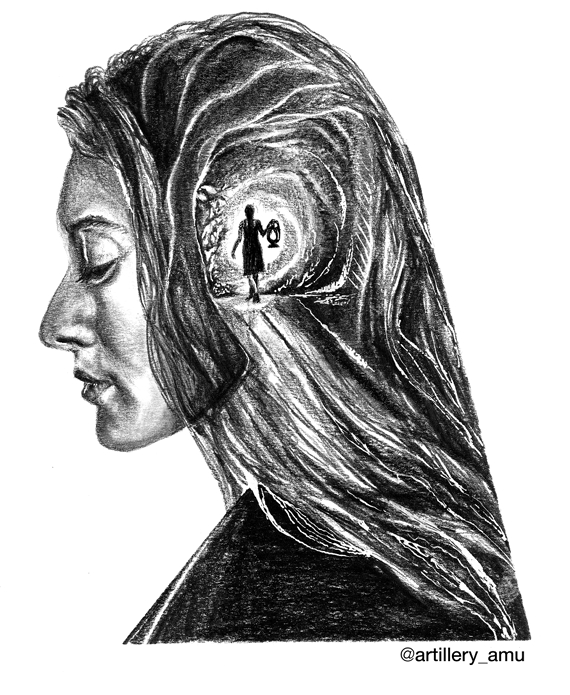
When we attribute the behaviours we may observe in children with autism to the fight-or-flight response associated with the sympathetic nervous system, we recognise their unique sensory processing needs. This helps us understand and accommodate the learner’s nervous response and we tap into our capacity for empathy and adaptation.
Vision and Learning Across the Spectrum
Understanding how vision and sensory processing challenges impact learning is essential for supporting individuals on the autism spectrum. These sensory differences can be present in learners with a wide range of capabilities. By adopting an empathetic approach, we can make adjustments to create environments where everyone can thrive.
Fixation and Disinterest
Individuals with autism often focus intensely on very specific parts of their visual world at a time. This intense fixation can help them reduce sensory overload by narrowing their attention. (Central Processing Dominance, Single channel processing)
Examples:
- A child may fixate on an object, light, toy, radiator grill, or even the stripes on a shirt to decrease overwhelming input.
- This fixation may extend to repetitive play, body movements, or shaking hands or objects.
- Due to difficulty maintaining balanced attention, individuals may appear clumsy. For example, if a child is fixated on something they want, they may move directly toward it, ignoring any obstacles in their path.
Perception and Attention Differences
Individuals with autism may struggle with scanning, locating, focusing on details, or tracking moving objects. These challenges can affect how they navigate social situations or interact with their environment. (Posture deficient Processing)
Examples:
- A child may have difficulty recognising or locating objects, people, or faces.
- They might struggle with lining up in a queue or using utensils properly.
- They may look away when someone is speaking to them or feel overwhelmed in a busy classroom setting.
- Imitating facial expressions or performing fine motor tasks can be particularly challenging
Awareness and Understanding Challenges
Individuals with autism may show a limited awareness of what is present in their visual field. They might fail to recognise familiar objects, toys, or people. This can affect their ability to understand and interact with their environment. ((Posture deficient Processing, Peripheral Processing )
Examples:
- Children may frequently touch walls or objects to map out their surroundings, seeking reassurance about their space.
- They may walk hesitantly or bump into things due to a lack of awareness of their body’s position in space.
- Some individuals may be unaware of others around them, leading them to barge through people or objects without noticing them.
Aversion and Regulation Difficulties
Sensory sensitivities, particularly to visual stimuli, are common in individuals with autism. Overwhelming environments can cause distress, and visual aversions may be a coping mechanism. (Single channel processing, Central processing)
Examples:
- Children may become stressed by bright lights, complex patterns, or busy environments (e.g., wallpaper or classroom decorations), making it hard for them to focus or engage with their surroundings.
- They might appear disengaged or uninterested as they struggle to process visual information, such as a map or visual timetable.
- In crowded spaces like malls or playgrounds, they may avoid eye contact or look away due to the overwhelming amount of visual stimuli.
- Transitions between visually stimulating activities (e.g., from colouring to listening to a story) may cause distress, refusal, or withdrawal.
Linking Autism and Vision: Practical Steps
- Create calm, predictable environments: Reduce visual clutter to avoid overwhelming stimuli.
- Use sensory-friendly tools: Coloured overlays, visual schedules, and quieter spaces can help reduce sensory overload.
- Support transitions with clear cues: Use visual aids and strategies to support smooth transitions between activities.
- Encourage sensory exploration in a safe way: Provide opportunities for children to explore their environment at their own pace.
By understanding these sensory processing differences, we can develop better strategies to support learners with autism. This makes educational and social experiences more accessible and inclusive for all.
 I am James' mum