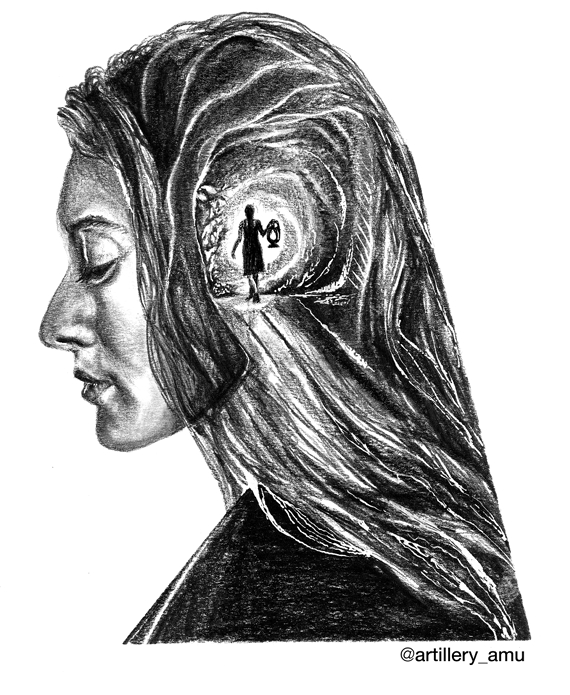
Sustainability, Suicide and Self-Esteem

Advocates Apparel is joining the Women Change Makers Fair. We aim to celebrate neurodiversity and its crucial role in shaping a more inclusive, sustainable future. Our focus is on raising awareness of the strengths and unique perspectives of neurodivergent individuals. Embracing neurodiversity, our goal is to drive innovative thinking, creativity and increase well-being. We strive to create lasting change for everyone.

What Does a Sustainable Future Mean to You?

For me, a sustainable future is about safeguarding human well-being alongside protecting the physical environment we live in. It means prioritising mental health—especially for children and individuals at risk of suicide, trauma, and isolation. A sustainable future for me involves empowering people with the tools to understand themselves. This creates self-sustaining ways to regulate and educate. It’s also about supporting people and organisations dedicated to providing these resources and creating supportive communities.

Avoiding a Growing Health Emergency with Awareness, Advocacy, and Affirmation

Suicide rates are a growing global concern, especially among young people. This growing population of individuals feeling disillusioned or in a state of malaise points to the need for urgent action. One major cause for this sense of disconnection might stem from unrealised expectations. The rise in deficit labelling and diagnoses may be compounding this issue. Many children, young people, and adults may feel they have failed to meet societal ideals. These ideals are either their own or those imposed by parents or society. Ironically, even those who achieve their goals also report feelings of emptiness. Ultimately, the rising sense of dissatisfaction stems from a loss of positive identity.

A Social Shift in Mindset

At Advocates Apparel, our products are designed to promote solidarity in understanding and the need for change. The logo is the message we share the same values and passions.

The neurodiversity movement calls for people to aggregate, understand, and affirm human variation and differences in different areas of ability. With this collective understanding and agreement, we can shape and influence access to appropriate resources. We can provide teaching materials. We can advocate for better social systems. We aim to create communities where people feel accepted for who they are. We have made great strides throughout history in achieving historic shifts in gender equality. Now is the moment to stand up for neurodivergent individuals. They are the largest, most underrepresented, and diverse group in our society.

Ultimately, understanding neurodiversity parallels understanding the things in life we can change, can’t change, and aspire to change. The neurodiversity mindset is a huge shift in thinking. It needs mass agreement to make this change. This change is like the issues of sustainability and gender equality shifts we have seen. It takes an enormous effort. If enough people believe it’s possible, we can create a brighter, more empathetic understanding of neurodiversity. This understanding encompasses all its forms and variations. By changing how we understand and support it, we can make a significant impact.

Our Products: Advocacy-Inspired Products for a Sustainable Future

Our products are designed to celebrate neurodiversity while promoting sustainability. Each item is crafted with advocacy in mind, blending creativity, functionality, and eco-conscious materials. By supporting these products, you’re not only embracing diversity but also contributing to a more inclusive, sustainable future. Whether it’s art, accessories, or tools, every piece reflects the power of individuality and environmental responsibility.

Together, we can build a world where every mind is valued and empowered to contribute to a more sustainable tomorrow. Let’s affirm the power of diversity, inclusion, and equality for all people.

References

Blue dress, brown dress, what do you see?

Vision plays a crucial role in our daily lives, with over half of our brain dedicated to processing visual information. When there is an issue with the brain’s ability to process what the eyes see, it often leads to significant challenges in learning and quality of life.

A common example of visual processing differences and misunderstanding occurs with dyslexia awareness, yet did you know that people with autism see things differently too? How we see is ultimately connected to how our brains process information. And visual processing is another example of the spectrum of difference in the neurology of people.

Take for example the famously viral phenomenon of split opinions on ‘The dress’. Was it blue and black or gold and white? Back in 2015 the dress debate highlighted differences in vision, attributed to differences in perception and neuroscience.

Taylor Swift, in which she saw the dress as blue and black and said she was “confused and scared” . Kim Kardashian tweeted that she saw it as white and gold Ultimately, the dress was the subject of 4.4 million tweets within 24 hours.

Read more

Characteristic ASD behaviours through the lens of Visual Processing

As our understanding of autism evolves, we embrace our own capacity for empathy. This allows us to adjust our behaviours. We aim to better support learning, well-being, and lived experiences for everyone.

When we attribute the behaviours we may observe in children with autism to the fight-or-flight response associated with the sympathetic nervous system, we recognise their unique sensory processing needs. This helps us understand and accommodate the learner’s nervous response and we tap into our capacity for empathy and adaptation.

Vision and Learning Across the Spectrum

Understanding how vision and sensory processing challenges impact learning is essential for supporting individuals on the autism spectrum. These sensory differences can be present in learners with a wide range of capabilities. By adopting an empathetic approach, we can make adjustments to create environments where everyone can thrive.

Fixation and Disinterest

Individuals with autism often focus intensely on very specific parts of their visual world at a time. This intense fixation can help them reduce sensory overload by narrowing their attention. (Central Processing Dominance, Single channel processing)

Examples:

  • A child may fixate on an object, light, toy, radiator grill, or even the stripes on a shirt to decrease overwhelming input.
  • This fixation may extend to repetitive play, body movements, or shaking hands or objects.
  • Due to difficulty maintaining balanced attention, individuals may appear clumsy. For example, if a child is fixated on something they want, they may move directly toward it, ignoring any obstacles in their path.
Perception and Attention Differences

Individuals with autism may struggle with scanning, locating, focusing on details, or tracking moving objects. These challenges can affect how they navigate social situations or interact with their environment. (Posture deficient Processing)

Examples:

  • A child may have difficulty recognising or locating objects, people, or faces.
  • They might struggle with lining up in a queue or using utensils properly.
  • They may look away when someone is speaking to them or feel overwhelmed in a busy classroom setting.
  • Imitating facial expressions or performing fine motor tasks can be particularly challenging
Awareness and Understanding Challenges

Individuals with autism may show a limited awareness of what is present in their visual field. They might fail to recognise familiar objects, toys, or people. This can affect their ability to understand and interact with their environment. ((Posture deficient Processing, Peripheral Processing )

Examples:

  • Children may frequently touch walls or objects to map out their surroundings, seeking reassurance about their space.
  • They may walk hesitantly or bump into things due to a lack of awareness of their body’s position in space.
  • Some individuals may be unaware of others around them, leading them to barge through people or objects without noticing them.
Aversion and Regulation Difficulties

Sensory sensitivities, particularly to visual stimuli, are common in individuals with autism. Overwhelming environments can cause distress, and visual aversions may be a coping mechanism. (Single channel processing, Central processing)

Examples:

  • Children may become stressed by bright lights, complex patterns, or busy environments (e.g., wallpaper or classroom decorations), making it hard for them to focus or engage with their surroundings.
  • They might appear disengaged or uninterested as they struggle to process visual information, such as a map or visual timetable.
  • In crowded spaces like malls or playgrounds, they may avoid eye contact or look away due to the overwhelming amount of visual stimuli.
  • Transitions between visually stimulating activities (e.g., from colouring to listening to a story) may cause distress, refusal, or withdrawal.
Linking Autism and Vision: Practical Steps
  • Create calm, predictable environments: Reduce visual clutter to avoid overwhelming stimuli.
  • Use sensory-friendly tools: Coloured overlays, visual schedules, and quieter spaces can help reduce sensory overload.
  • Support transitions with clear cues: Use visual aids and strategies to support smooth transitions between activities.
  • Encourage sensory exploration in a safe way: Provide opportunities for children to explore their environment at their own pace.

By understanding these sensory processing differences, we can develop better strategies to support learners with autism. This makes educational and social experiences more accessible and inclusive for all.

SEN Policies in the UK, US, and Thailand

The journey of Special Educational Needs (SEN) has evolved significantly in recent decades, shaped by social change, shifting policies, and an increasing recognition of the importance of inclusion. This post looks at how the UK, Thailand, and the U.S. approach SEN, highlighting key developments, current challenges, and the role of advocacy in driving change.

  1. A Brief History of SEN in the UK
  2. Current Challenges in the UK
  3. SEN Approaches in Thailand
  4. Current Challenges in Thailand
  5. SEN Approaches in the United States
  6. Current Challenges in the U.S.
  7. Comparing SEN Approaches: Key Differences and Similarities
  8. The Future of SEN: Moving Towards Greater Inclusion
  9. Comparison of Disabled Population and Education Access
  10. Percentage of Disabled Children in Education
  11. Advocacy
A Brief History of SEN in the UK

Early History: Pre-1900s to 1940s

Historically, children with disabilities in the UK were excluded from education, often placed in institutions with minimal educational opportunities.

  • Pre-1900s: Limited support for children with SEN, who were largely considered “uneducable.”
  • 1900s to 1940s: Special schools emerged, but children with disabilities were still segregated from mainstream education.

Shifting Towards Inclusion: 1970s to 1990s

The 1970s marked a turning point for inclusive education.

  • Education (Handicapped Children) Act 1970: This Act began allowing for more integration of children with disabilities into mainstream schools.
  • Disability Discrimination Act 1995: This Act made it illegal to discriminate against disabled individuals in various areas, including education.

The 2000s and Beyond: Personalised Support and EHC Plans

The introduction of Education, Health, and Care (EHC) Plans in 2014 marked a more personalised approach to SEN, ensuring tailored support for each child.

  • Education, Health, and Care (EHC) Plans: These plans offer coordinated support across education, health, and social care, emphasising the need for inclusion and individualised resources.
  • Neurodiversity Movement: Growing recognition of autism and ADHD has changed the way SEN is perceived.
Current Challenges in the UK

Despite advancements, challenges persist:

  • Funding Shortages: In 2020, nearly 30% of local authorities in England reported insufficient funding for SEN services, impacting support for children with complex needs.
  • Teacher Training: A 2019 study found that 44% of teachers feel unprepared to support students with SEN effectively.
SEN Approaches in Thailand

Developing Inclusive Education: 1990s to Present

Thailand’s journey towards inclusive education has been slower but steady.

  • Special Education Act 1999: Marked the beginning of Thailand’s efforts to create a more inclusive education system.
  • Barriers to Implementation: Despite these policies, children with disabilities often still attend separate schools due to resource constraints, and training for teachers is limited.
Current Challenges in Thailand
  • Resource Limitations: A lack of trained staff and resources hinders the implementation of inclusive education.
  • Cultural Attitudes: Disabilities are often viewed through a charity lens, and stigma remains a challenge in broader societal acceptance.
SEN Approaches in the United States

Legislative Milestones: IDEA and ADA

The U.S. has had robust legislation supporting children with SEN since the 1970s.

  • IDEA (Individuals with Disabilities Education Act, 1975): Guarantees free appropriate public education (FAPE) for students with disabilities.
  • ADA (Americans with Disabilities Act, 1990): Prohibits discrimination against individuals with disabilities in all public spaces, including education.
Current Challenges in the U.S.
  • Underfunding: Despite strong laws, special education in the U.S. is often underfunded. A 2020 study found that 60% of public schools report that they lack sufficient funding for special education services.
  • Disparities Between States: There are significant variations in how states implement IDEA, with some states offering better resources and services than others.

Comparing SEN Approaches: Key Differences and Similarities

Legal Frameworks

  • Comparing SEN Approaches: Key Differences and Similarities
  • Legal Frameworks
  • UK: The Children and Families Act 2014 introduced EHC Plans, which provide personalised support.
  • Thailand: The Special Education Act 1999 aimed to promote inclusive education but faces challenges with implementation.
  • U.S.: IDEA and ADA ensure access to education, but implementation varies across states due to funding and resource disparities.

Inclusion and Integration

  • UK: Strong focus on integrating children into mainstream schools, though underfunding is a significant hurdle.
  • Thailand: Inclusion is progressing but remains inconsistent, with many children still in segregated schools.
  • U.S.: Legal requirements ensure inclusion in mainstream schools, but funding issues and state-level disparities affect the quality of support.

Cultural Attitudes

  • UK: Over time, attitudes have shifted from exclusion to a focus on inclusion and empowerment.
  • Thailand: Disability is still often viewed through a charity lens, but attitudes are slowly changing.
  • U.S.: A rights-based approach, largely driven by advocacy groups, has shaped attitudes towards disability.

Current Challenges

  • UK: Funding shortages, teacher training, and resources remain barriers.
  • Thailand: Limited resources, teacher training, and societal stigma hinder full inclusion.
  • U.S.: Underfunding and disparities in implementation across states are ongoing issues.
The Future of SEN: Moving Towards Greater Inclusion

As we look to the future, the emphasis on inclusive education, personalised support, and neurodiversity will continue to grow. However, challenges such as underfunding, resource allocation, and staff training must be addressed.

  • UK: There is an ongoing need for better funding and training to fully implement the vision of inclusive education.
  • Thailand: Further investment in teacher training and support services is critical for inclusive education to succeed.
  • U.S.: Ensuring consistent implementation of IDEA across states and increasing funding will be key to meeting the needs of all students with SEN.
Comparison of Disabled Population and Education Access

Population of Disabled People

  • UK: Around 15% of the population has a disability (Office for National Statistics, 2019).
  • Thailand: Thailand: Approximately 4.8% of the entire population has a disability (National Statistical Office of Thailand, 2019).
  • U.S.: Over 12% of the population has a disability (CDC, 2020).
Percentage of Disabled Children in Education
  • UK: Around 90% of disabled children are educated in mainstream schools, but challenges remain in ensuring appropriate support. (Department for Education, 2020)
  • Thailand: About 40% of disabled children attend special schools, with limited access to inclusive education due to resource constraints. (UNICEF, 2021)
  • U.S.: 95% of children with disabilities are educated in public schools under IDEA, but disparities in the quality of support persist. (U.S. Department of Education, 2020)

The Future of SEN: Moving Towards Greater Inclusion

  • UK: Increased funding and teacher training are needed to realise the full potential of inclusive education.
  • Thailand: More investment in teacher training and resources is crucial for progress.
  • U.S.: Ensuring consistent implementation of IDEA across states and increasing funding will be key.
Advocacy

Advocacy groups, such as the National Autistic Society in the UK, Thailand’s National Council on Disability, and the American Association of People with Disabilities, continue to play an essential role in pushing for these changes. For families, educators, and policymakers alike, the ongoing dialogue and action around SEN will shape the future of education for children with disabilities.

Listening and Evolving Care: Insights from Dr. Donna’s Talk at the British Club

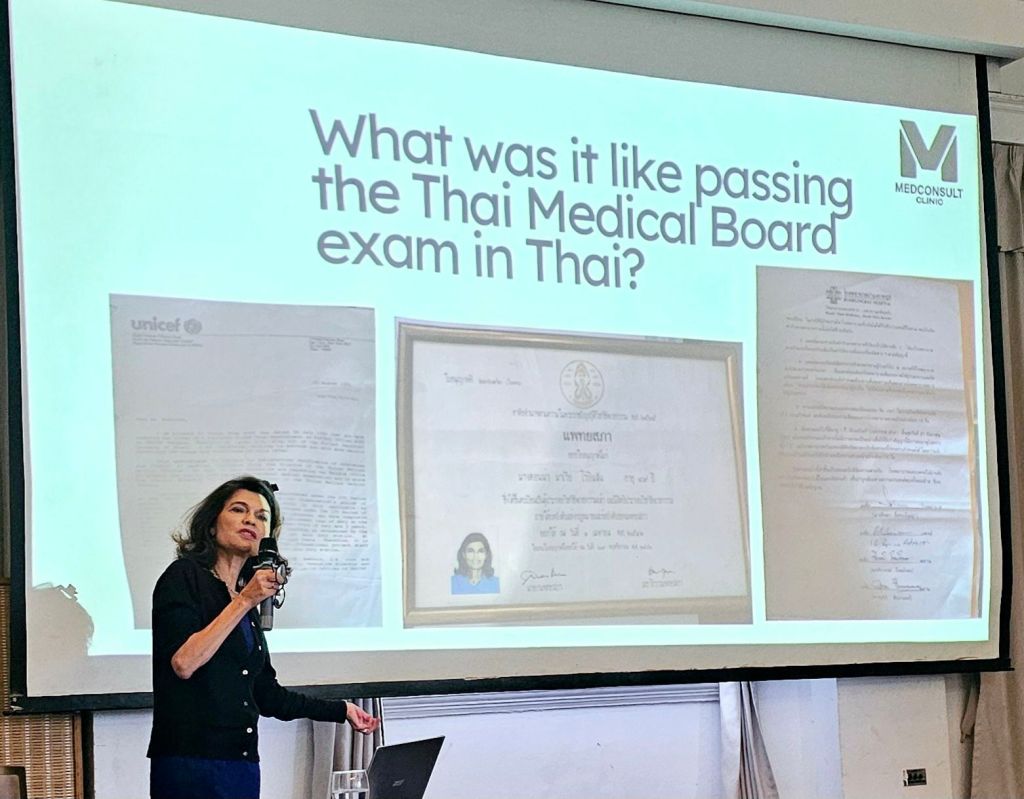
I had the pleasure of joining Dr. Donna at the British Club today for her fascinating talk. She covered a range of crucial topics. This included the current ageing and low birth rates in Thailand. She also discussed occupational health and depression. Additionally, she talked about COVID-19 and the rise of new treatments like Ozempic.

One of the most significant points she made was the role of healthcare professionals in listening. It’s essential to speak the same language as patients, and this is not simply a linguistic issue. Truly hearing their struggles is crucial. Understanding their journey is equally important, whether it’s a health challenge or a mental block.

Dr. Donna’s story

Dr. Donna’s story is quite remarkable. Her career and qualifications are impressive, and the way she sought to address the needs of an expatriate community in Thailand is commendable. It’s clear that her decision to study for the Thai medical exam and open her own clinic was driven by a genuine desire to help others. Her approach to meeting the specific needs of newcomers to the country reflects a thoughtful and purposeful career path. It’s certainly a story worth hearing.

Evolving medicine, treatments and definitions

Dr. Donna reflected on how opinions and practices that were once widely accepted are now evolving. She noted how people’s opinions, knowledge and needs shift, and that the terminology surrounding these needs is also changing. Our collective views have changed significantly. This is true in many areas, including ethnicity, marriage, ageing, and healthcare definitions. It also applies to issues surrounding modern medicine and treatments. This change speaks to the broader discussion of healthcare advancements and the challenges they impose on a country’s economy.

The discussion about the word geriatric led me to think about the evolving terminology surrounding special needs. The term “geriatric” was once used to classify someone as elderly at age 60. Later, that age was stretched to 70, and then no longer used. Similarly, the term sub-human was used many years ago to classify people with disabilities, particularly intellectual disabilities. Disabled has become special educational needs and disabilities (SEN or SEND). The dilemma around terminology is significant. How can we describe important characteristics without causing offense? How can we avoid creating poor self-regard? This is especially important considering a growing population of adolescents with disorders. We need to understand and address their needs, especially from a cultural perspective. Personally, I believe the description should at least, not include a deficit label.

Medical advancement and longer lives

The parallel between the ageing population and the special needs community and effect is also notable. Advances in healthcare allow children and adults, who might not have survived in the past, to live longer now. This population includes those with Profound Intellectual Learning Disabilities also described as people with Complex Learning Disabilities and Profound and Multiple Learning Disabilities/Differences. Much like the increasing ageing population, this group requires more medical professionals specialising in their care. Similar challenges arise in the availability of trained providers.

Equality and values

The topic of human inequality is also relevant. In the history of medicine, if a doctor inadvertently caused the death of a patient, they would be sentenced to death. However, if the person was a slave, the doctor was not punished in the same way. The doctor would simply be ordered to replace the worker. During the COVID-19 pandemic, a Do Not Resuscitate (DNR) order was issued for individuals classified as PMLD (Profound and Multiple Learning Disabilities). This raised questions about the societal value of their lives.

Cosmetic Pharmacology

Conversations with Dr. Donna are always interesting, and today’s meeting sparked thoughts about cosmetic pharmacology. This term refers to people self-administering substances like stimulants or relaxants without medical oversight. For example, some people use methylphenidate, a stimulant, to improve concentration. The moral question here lies in the danger of unregulated drugs—whether they’re used for beauty, cognitive enhancement, or anything else. The risks are real, and without professional guidance, there could be disastrous consequences. This is also similar to the lack of regulation in non-invasive beauty services, where improper oversight can lead to complications.

Stigma, holistic care and self-determination

The stigma surrounding issues like mental health, labelling, and cosmetic enhancement procedures can be overwhelming. I have found that people may feel reticent to share their experiences. Mental health issues and seeking support to focus or look and feel better are not things to be ashamed of. In fact, these decisions can have a profound, positive impact on one’s self-esteem and overall well-being.

There’s often an underlying pressure to conform to certain ideals, which can lead to feelings of shame or embarrassment. Cosmetic pharmacology, when approached responsibly, can enhance potential. It can also aid in self-actualisation and personal growth when done under the care of a medical professional. Dr. Donna highlighted a key point: people need support in complex situations. This is especially true when they struggle mentally to make changes themselves. People should be empowered to make choices that help them feel their best, without fear of judgement.

Compassion and care

Dr. Donna’s work is undoubtedly a privilege to be a part of and a testament to what compassionate, well-rounded healthcare can look like.

As someone who’s lived in Thailand for a while, I’m particularly grateful for Dr. Donna’s practice, which offers a rare combination of beauty care and medical services under one roof. Her holistic approach to healthcare resonates with those of us familiar with a more integrated system. This community-based system is common back home in the UK. Her model offers a blend of accessibility and support. It includes online consultations and home visits for those unable to visit the clinic in person.

For me, her clinic is a practice that truly puts the patient’s needs first. This approach is all too often overlooked in modern, private healthcare systems.

Societies shape systems

These issues impact how societies shape systems. They reflect not only medical advancements but also evolving social and cultural understandings. We are increasingly aware of the value of all people, and neurodiversity, whether they are disabled, brilliant, or otherwise. The inclusion and visibility of people and families with disabilities is particularly close to my heart. Each person helps shape the world we live in. They also influence the future of healthcare and humanity.

Knowing Dr. Donna is truly a privilege. Her support as a healthcare provider is inspirational and empowering.


References:

Aging and Low Birth Rates in Thailand:
World Bank, UN Population Division.
Thailand’s fertility rate has decreased in recent decades, which raises concerns about the country’s ageing population.

Ozempic:
NHS Choices, British Medical Journal (BMJ).
Ozempic (semaglutide) is prescribed for diabetes but is also used for weight loss.

Listening in Healthcare:
NHS Leadership Academy, British Medical Association (BMA).
The importance of effective communication and listening in healthcare to improve patient care.

Geriatric Terminology:
British Geriatrics Society, National Institute for Health and Care Excellence (NICE).
The changing definition of geriatric in medical contexts and age classifications.

Historical Use of “Sub-human”:
Disability History Scotland, UK Disability History Archive.
The use of dehumanising terminology to classify people with disabilities in history.

Use of the Term “Disabled”:
Disability Rights UK, Scope.
The evolving terminology from “disabled” to “special educational needs” and related terms.

Profound Intellectual and Multiple Learning Disabilities (PMLD):
NHS Learning Disabilities, National Development Team for Inclusion (NDTi).
Terminology and care for individuals with profound intellectual and multiple learning disabilities.

Medical Inequality and Historical Punishments:
History of Medicine, Journal of Medical Ethics.
Historical examples of doctors facing different consequences depending on their patient’s status.

COVID-19 and PMLD DNR Orders:
BBC News, Disability Rights UK.
The ethical controversy over Do Not Resuscitate orders for individuals with disabilities during the pandemic.

Cosmetic Pharmacology:
British Journal of Psychiatry, UK Drug Policy.
The rise of self-administered substances for cognitive enhancement and beauty purposes.

Regulation of Non-Invasive Beauty Services:
British Association of Dermatologists, Health and Safety Executive (HSE).
Regulation gaps in non-invasive beauty treatments and their health risks.

Holistic Support in Healthcare:
National Institute for Health and Care Excellence (NICE), The Royal College of General Practitioners (RCGP).
The rise of holistic care and integrated services in healthcare settings.

Glossary of Terminology

  1. Geriatric:
    Traditionally used to describe elderly individuals, the term geriatric has been evolving in medical contexts, and is now being replaced with more inclusive language.
  2. Special Educational Needs and Disabilities (SEN, SEND):
    This term refers to students who have difficulties learning in comparison to others of the same age. It encompasses a wide range of conditions, from mild to profound, and includes conditions like autism, dyslexia, and learning disabilities.
  3. Profound Intellectual and Multiple Learning Disabilities (PMLD):
    Refers to individuals who experience severe intellectual and developmental impairments. People with PMLD typically have complex health and care needs. They may require assistance with most aspects of daily life. This includes communication, mobility, and personal care.
  4. Complex Learning Disabilities:
    Children and young people with complex learning difficulties and disabilities (CLDD) include those with co-existing conditions (e.g. autism and attention deficit/hyperactivity disorder (ADHD), multisensory impairment, Social Emotional Mental Health issues (SEMH)) or profound and multiple learning disabilities (PMLD).
  5. Cosmetic Pharmacology:
    A term that refers to the use of substances, that are self-administered without medical oversight, and are often used for cognitive enhancement or cosmetic purposes, such as weight loss.
  6. Ozempic:
    A medication that contains semaglutide and is primarily used to manage type 2 diabetes. However, it has recently gained attention as a treatment for weight loss. This has raised ethical questions regarding its use for non-diabetic patients, and it also raises medical questions for those not classified as obese seeking cosmetic enhancement.
  7. Do Not Resuscitate (DNR) Orders:
    A medical order to not initiate CPR or other resuscitation measures if a patient stops breathing or their heart stops beating. These orders are sometimes applied to patients with PMLD. This has raised significant ethical questions about the value and rights of individuals with disabilities.
  8. Mental Health Stigma:
    Social stigma surrounds mental health issues. This can result in individuals being judged, excluded, or discriminated against. This stigma can affect people’s willingness to seek help. It also influences how they are treated by others, particularly in the context of healthcare.
  9. Medical Inequality:
    Refers to the disparities that exist in healthcare, based on factors like race, class, gender, disability, and other social determinants. Historical examples demonstrate the devaluation of certain groups in medical practices. Slaves or individuals with disabilities are examples.
  10. Holistic Support:
    An approach to healthcare that focuses on treating the whole person, not just the illness or symptoms. This involves considering physical, emotional, social, and mental well-being. Care should address these multiple aspects of a person’s health.
  11. Non-Invasive Beauty Treatments:
    Refers to aesthetic procedures that do not require surgery or significant medical intervention. Examples include botox, dermal fillers, and laser treatments. Despite being minimally invasive, these procedures can still pose health risks when not properly regulated.
  12. Profound Intellectual Learning Disabilities (PILD):
    This term may refer to individuals with deep cognitive and developmental impairments. It is similar to PMLD. However, it can encompass a broader category of intellectual disabilities, focusing on those with more profound challenges.