
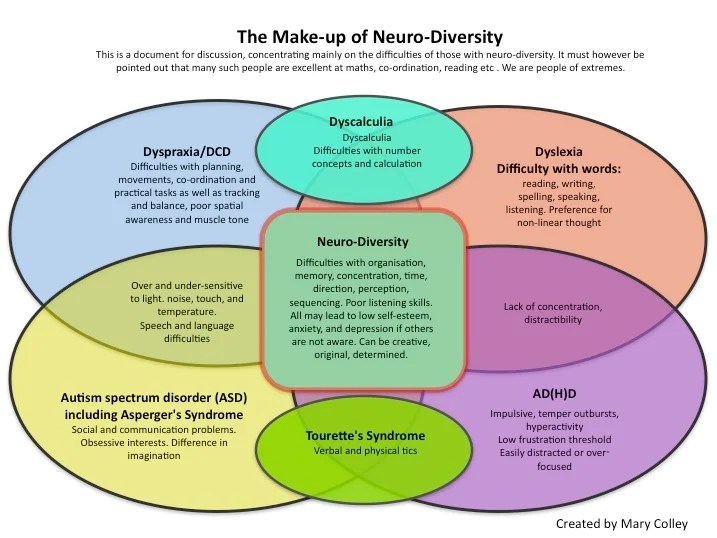
Neurodiversity refers to the natural variation in brain functioning that encompasses differences in perception, information processing, learning, and social interaction. This concept includes conditions such as autism, ADHD, dyslexia, dysgraphia, and dyspraxia.
Embracing neurodiversity means recognising these differences as part of human diversity rather than viewing them solely through a lens of deficit or disorder. This blog briefly covers two psychological concepts that relate to affirming positive identities and self image.
Neurodiversity Acceptance: Building a Supportive and Inclusive Community
The movement towards neurodiversity acceptance is a profoundly positive shift in our society. It emphasises the value of diversity in cognitive functioning and the significance of recognising individuals on the autism spectrum and those with other neurodivergent conditions as unique and equal members of society, neurological differences that may manifest as processing challenges and learning differences. Aside from cognitive functions, equally important are the psychological processes that form in an individual being, relating to self-perception, emotional control, and mental health.
By fostering a community where neurodiverse voices can support each other, we create an environment where everyone, regardless of their abilities, can thrive. This movement is underpinned by several key aspects, including simple accommodations in schools and communities, the use of augmentative and alternative communication (AAC), and the promotion of neurodiverse role models and influencers.
Ensuring that labels are used constructively is crucial in promoting a positive self-perception in neurodiverse individuals. Adopting a positive attitude towards neurodiversity can foster inclusive communities, which can significantly improve the lived experience for neurodiverse individuals.
The Looking-Glass Self and the Self-Fulfilling Prophecy
The concept of the “looking-glass self,” introduced by sociologist Charles Horton Cooley in his 1902 work “Human Nature and the Social Order,” explores how individuals develop their self-concept based on their interactions with others. Cooley used the metaphor of a looking-glass, or mirror, to illustrate how people see themselves reflected through the perceptions and responses of those around them.
The concept of the “looking-glass self” by Charles Cooley highlights how the perception of others can impact self-image and self-worth.
The concept of the self-fulfilling prophecy was first introduced by sociologist Robert K. Merton he defined the self-fulfilling prophecy as a prediction or expectation that, by being made, causes itself to become true. This occurs because the belief or expectation influences behaviour in a way that brings about the expected outcome.
Embracing neurodiversity means recognising and valuing the differences in how individuals perceive, process, and interact with the world. By understanding and addressing the unique needs of neurodiverse individuals, we can create more inclusive communities and improve the quality of life for everyone. Through education, positive reinforcement, and evidence-based practices, we can support neurodiverse individuals in reaching their full potential and contributing their unique perspectives to society.
Practical Tips for Promoting Neurodiversity Acceptance
In Everyday Life:
- Effective Communication: Use clear, straightforward language and avoid figurative speech that can be confusing for individuals with neurodiverse conditions. For example, instead of saying “think outside the box,” be specific about what you need.
- Inclusive Practices: Promote inclusive behaviours by inviting neurodiverse individuals to share their perspectives and experiences. This can include adjusting meetings to accommodate different communication styles or ensuring that social events have options for quieter spaces.
- Educate and Advocate: Engage in community education about neurodiversity. Share resources and support groups, and advocate for policies that promote inclusivity in schools and workplaces.
- Celebrate Differences: Recognise and celebrate neurodiverse achievements and contributions. This can involve highlighting role models, acknowledging successes in community forums, or creating platforms for neurodiverse individuals to showcase their talents.
 I am James' mum